





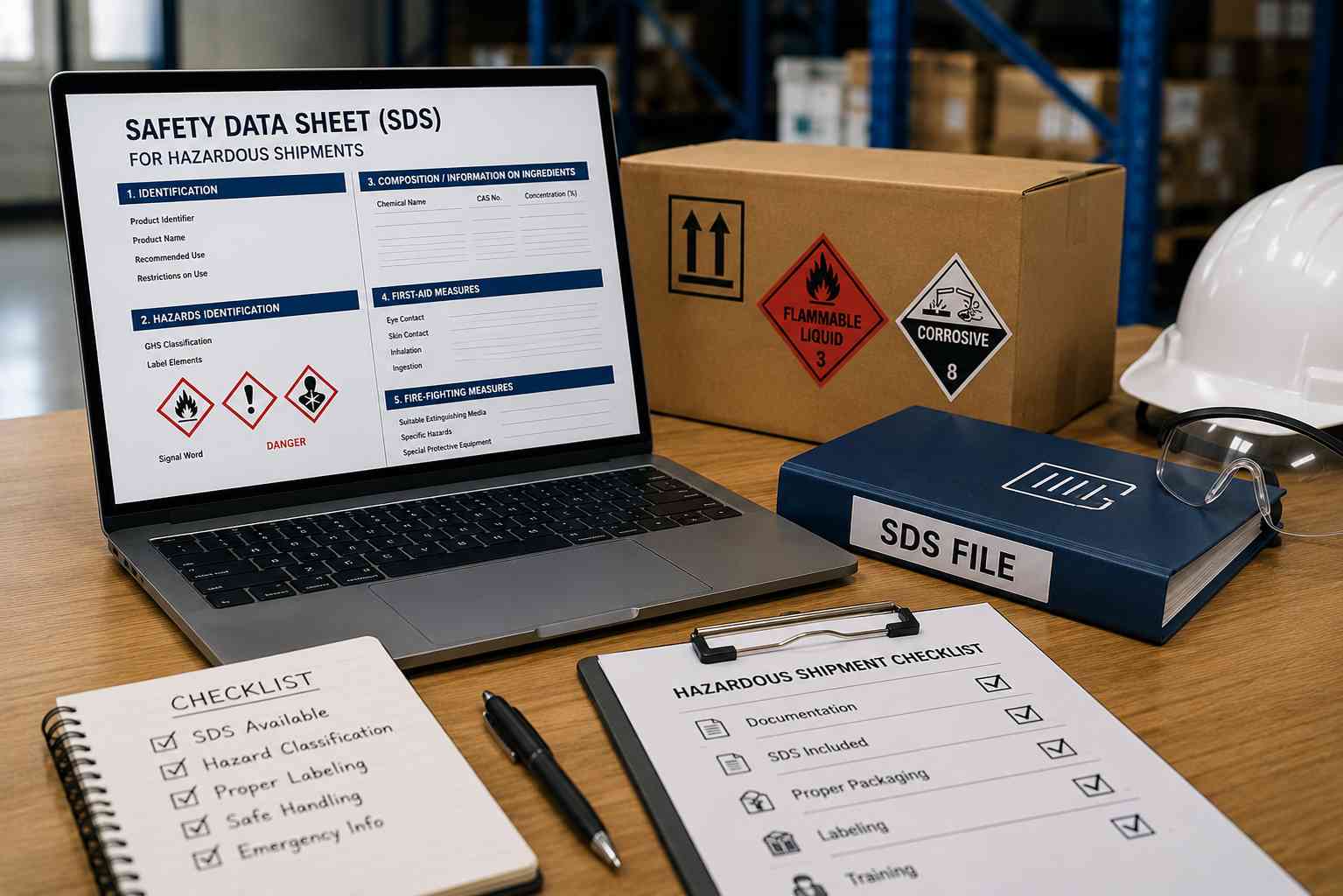
Understanding Safety Data Sheets (SDS) for Hazardous Shipments
A Safety Data Sheet (SDS) is a standardized 16-section document that describes the physical...
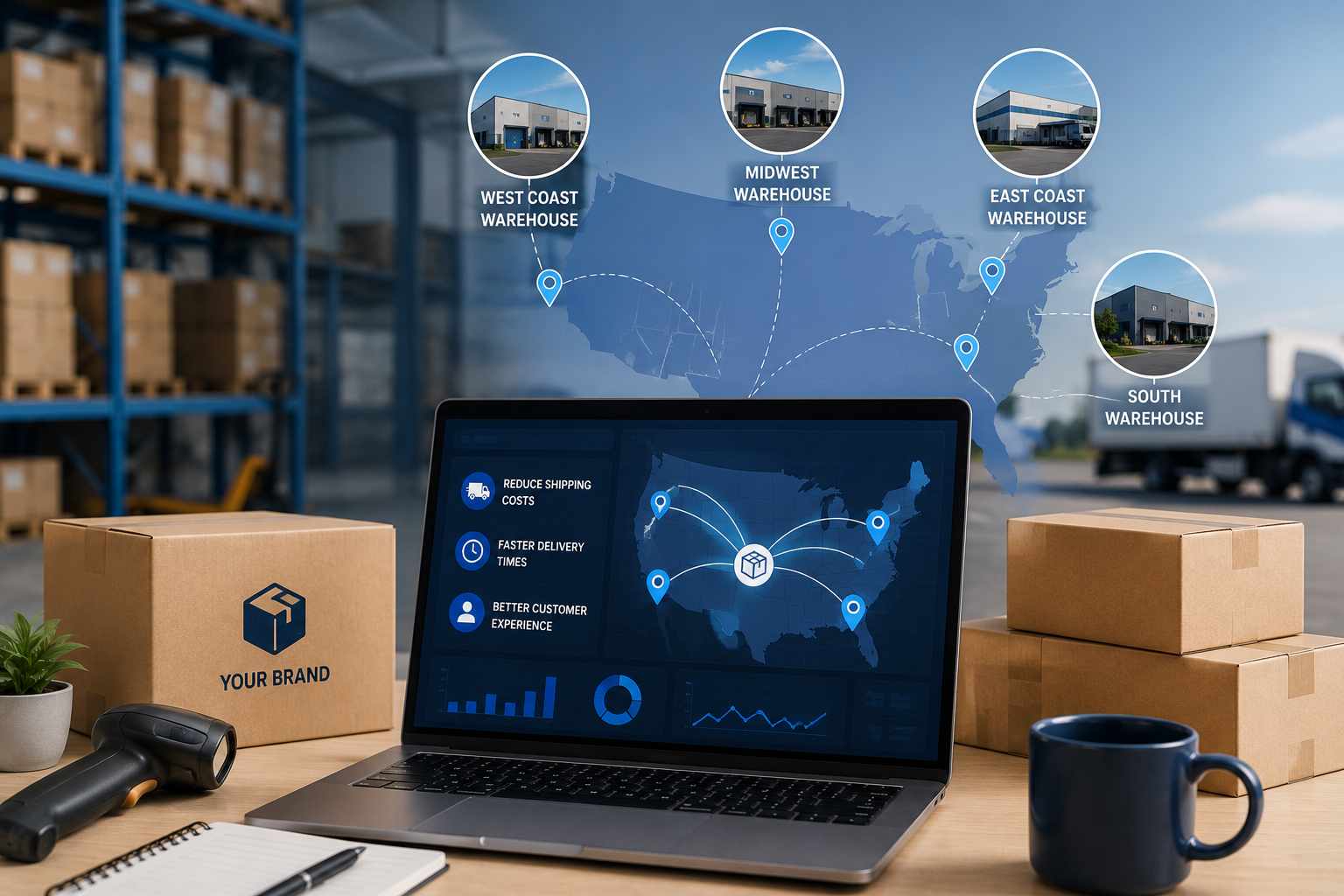
What Is Distributed Inventory and How Does It Reduce Shipping Costs?
Distributed inventory is a fulfillment strategy where a brand splits its stock across multiple...
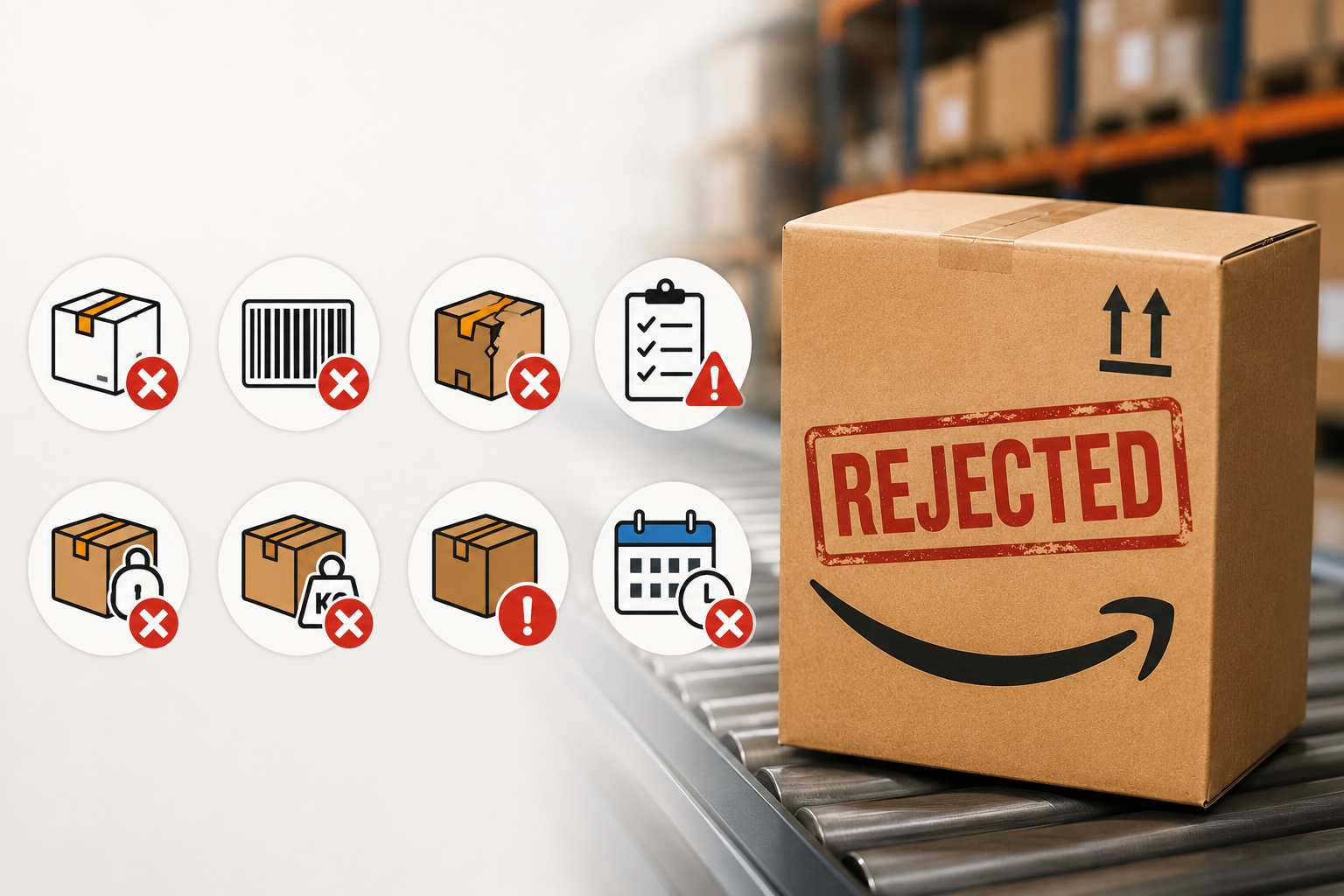
Common Reasons Amazon Rejects FBA Shipments
Amazon rejects FBA shipments for six primary reasons: labeling errors (missing or unscannable FNSKU...
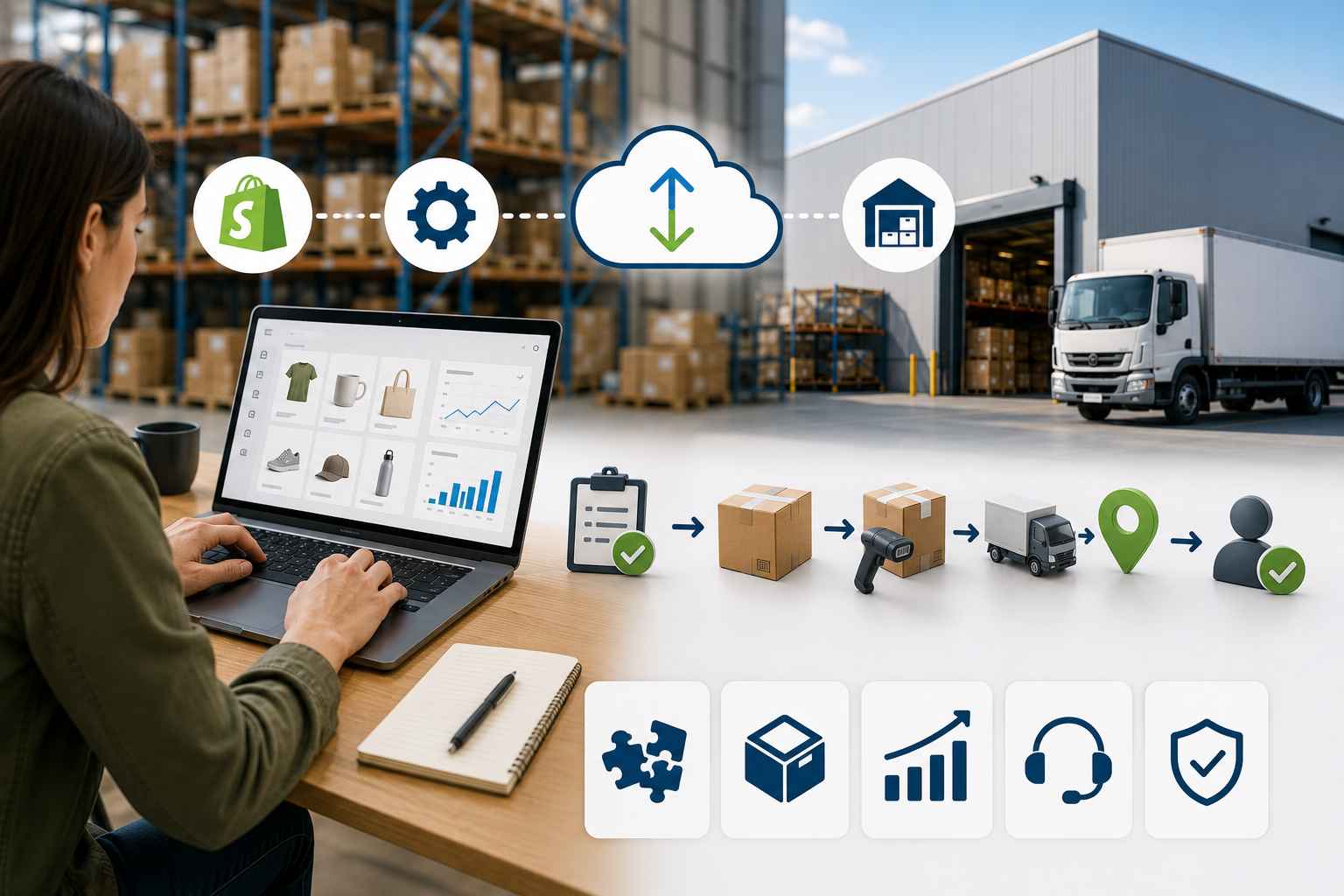
How to Connect Your Shopify Store to a 3PL (and What to Look For in a Partner)
At a certain order volume, fulfilling Shopify orders from your own location stops being...

Kitting vs. Assembly: What's the Difference and When Does Your Business Need Both?
The terms get used interchangeably, and that causes real problems when a business is...

FBA vs FBM in 2026: Which Fulfillment Model Is Right for Your Business?
FBA vs FBM is one of the most consequential decisions an Amazon seller makes...
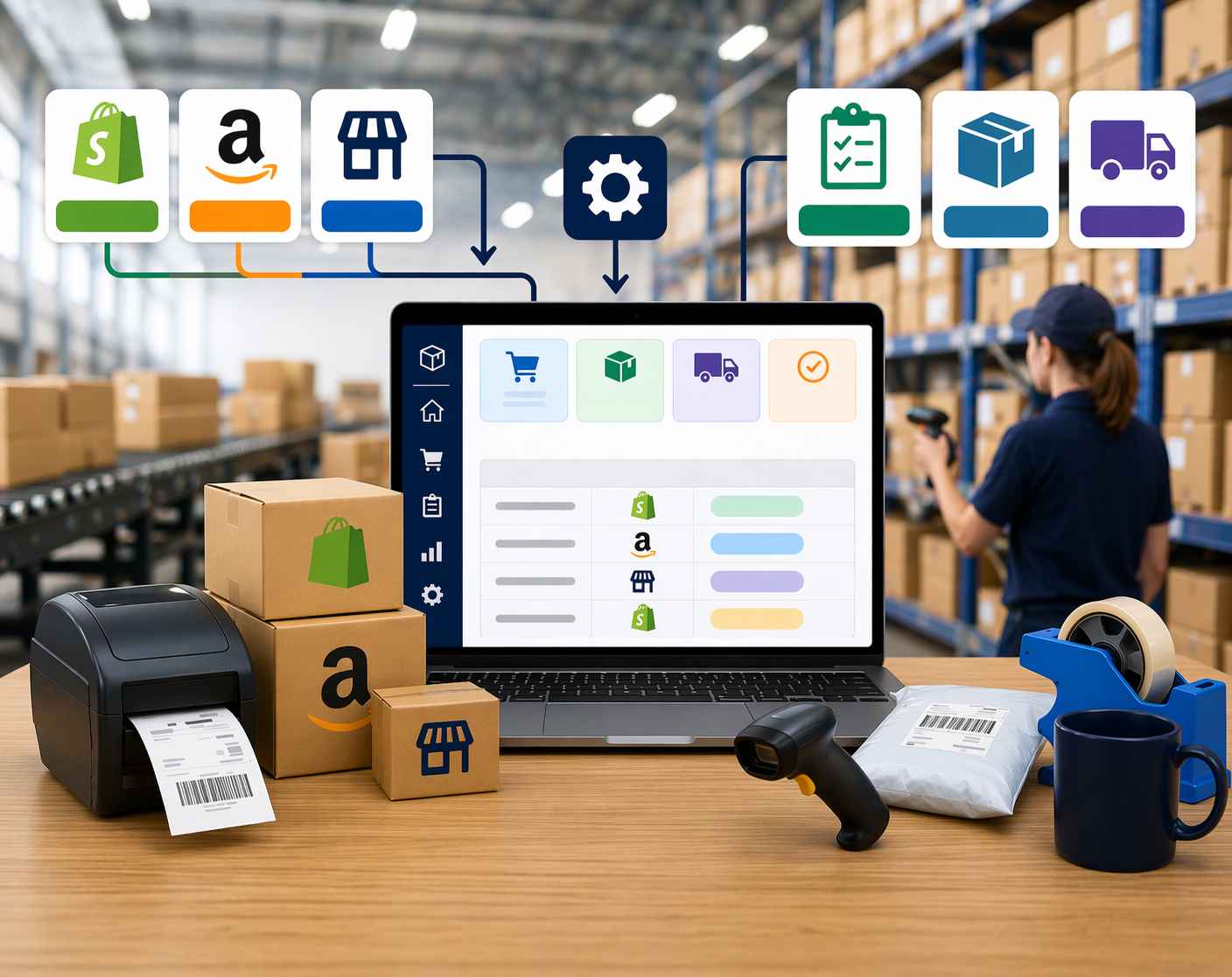
Multi-Channel Fulfillment: How to Manage Shopify, Amazon & Retail Orders in One System
Did you know? Published B2B and direct-to-consumer handling benchmarks differ by 51.4%. The Fulfillment...
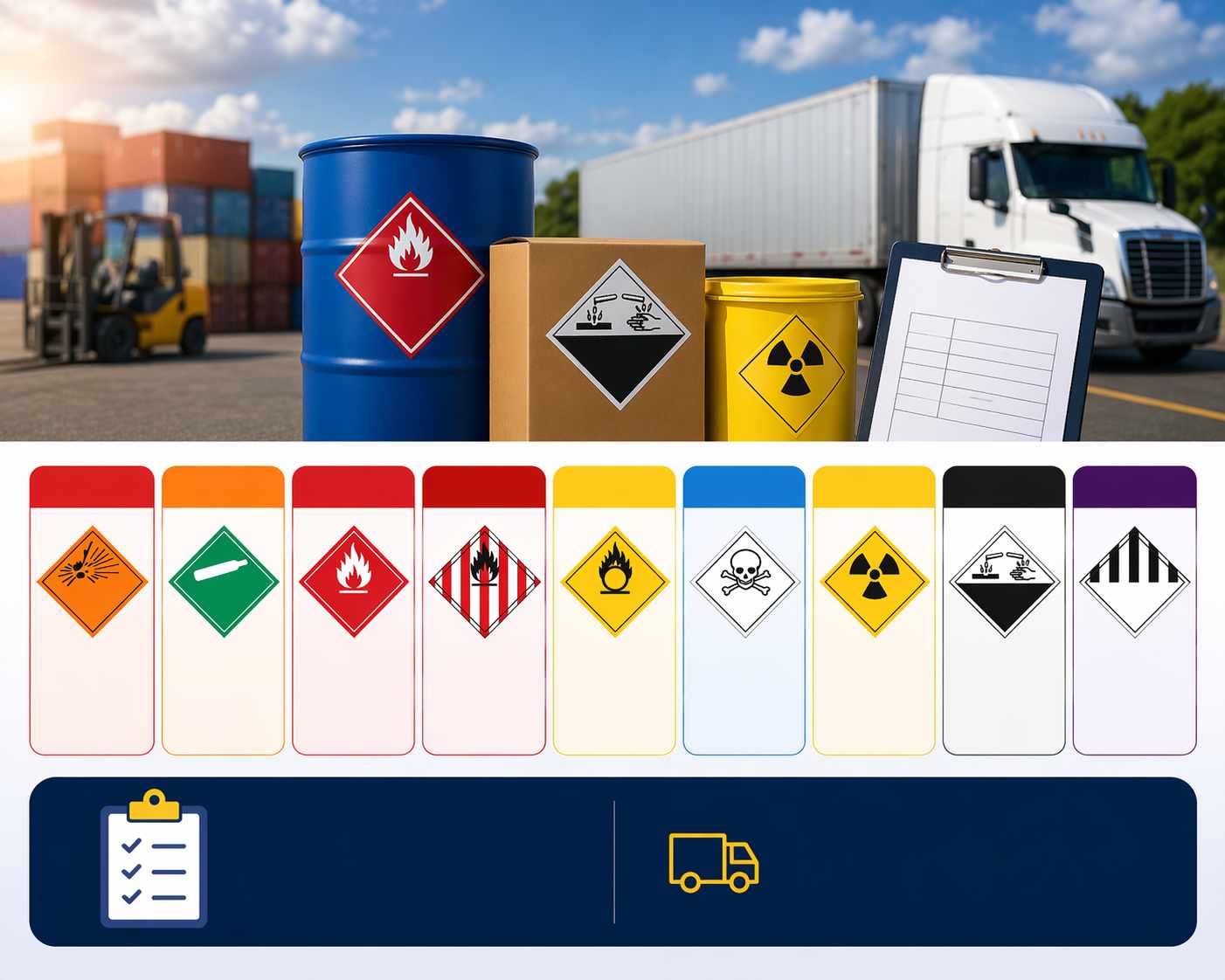
What Is DOT Hazmat Classification? Classes Explained for Shippers
DOT hazmat classification is the federal system that assigns every dangerous good a specific...

Hazardous Waste Logistics: Safe Storage, Handling & Transportation Explained
Improper hazardous waste handling carries severe consequences, regulatory fines, environmental damage, worker injury, operational...

What Is Real-Time Inventory Visibility & Why It Matters for Modern Supply Chains
Businesses that rely on outdated or inaccurate inventory data pay for it — in...